

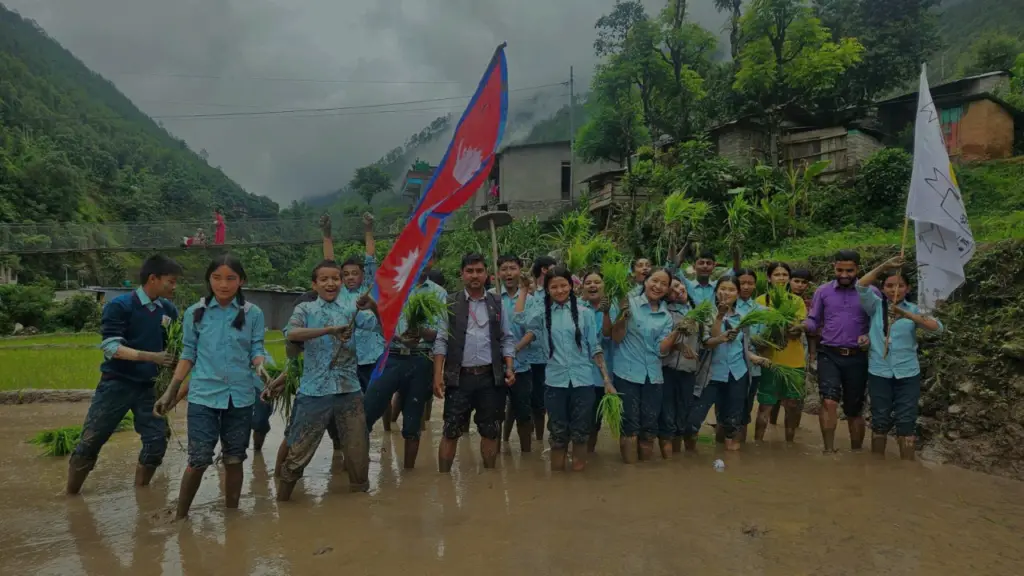
Education is often associated with classrooms, textbooks, examinations, and grades. While these are important parts of a student’s academic journey, education in its truest sense is much broader. A child does not learn only by reading a book or listening to a teacher. They learn by observing the world, asking questions, interacting with others, solving problems, making mistakes, and experiencing new situations.
The classroom provides students with knowledge and academic foundations, but the world outside the classroom provides opportunities to apply that knowledge. A science lesson becomes more meaningful when students observe nature directly. Mathematics becomes practical when students use it to solve everyday problems. Social studies becomes more relevant when students understand their community and surroundings. Learning becomes deeper when students can connect what they study with real life.
Learning Through Experience
Experiential learning allows students to understand concepts through participation and practice. Field visits, experiments, outdoor activities, agricultural activities, educational tours, community programs, sports, and creative projects can all become valuable learning experiences.
For example, when students participate in agricultural activities, they do more than simply work in a field. They begin to understand where food comes from, how much effort is involved in producing it, and why farmers and nature play an important role in society. At the same time, students develop teamwork, patience, responsibility, and respect for different forms of work.
Such experiences also create memories that students can carry for years. A lesson experienced directly can often remain with a child much longer than information learned only for an examination.
Developing Skills Alongside Knowledge
The modern world requires more than academic knowledge. Students need to communicate effectively, work with others, think critically, solve problems, adapt to change, and make responsible decisions.
Activities outside traditional lessons provide natural opportunities to develop these abilities. A group project teaches cooperation. A presentation develops communication skills. A sports activity teaches discipline and teamwork. A creative activity encourages imagination and self-expression.
These skills may not always appear in examination results, but they play an important role in a student’s future.
The Role of Teachers
Going beyond the classroom does not mean reducing the importance of teachers. In fact, teachers become even more important as guides and facilitators. Instead of simply providing information, teachers can encourage students to explore, question, investigate, and discover answers themselves.
A good teacher creates opportunities for students to become active participants in their own learning.
Preparing Students for Life
The ultimate purpose of education should not be limited to passing examinations. Schools have an important responsibility to help young people become capable, confident, responsible, and thoughtful members of society.
When students are given opportunities to learn both inside and outside the classroom, education becomes more meaningful. They gain knowledge from books, wisdom from experiences, and character through interaction with the world around them.
Education therefore should not end when the school bell rings. The classroom is only one place where learning begins; life itself is the greatest classroom.