

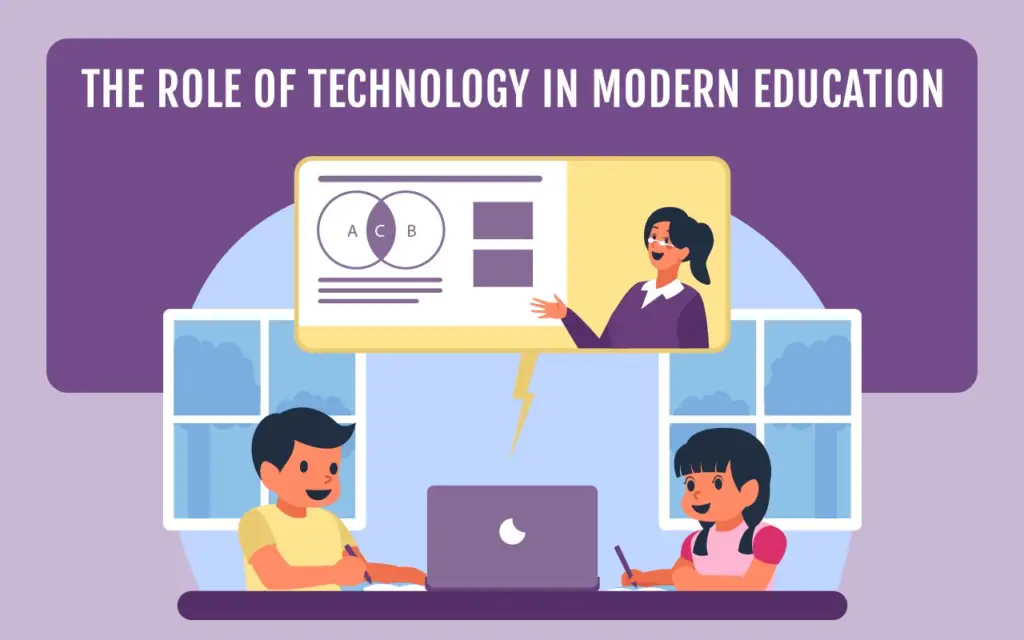
Technology has become an important part of everyday life, and education is no exception. From digital classrooms and educational videos to online resources and interactive learning platforms, technology has changed the way students access information and engage with learning.
However, technology in education should not simply mean replacing books with screens. Its real value lies in helping teachers explain concepts more effectively and giving students new ways to explore ideas, practise skills, and discover information.
Making Learning More Interactive
Traditional teaching methods remain valuable, but digital resources can make certain lessons more engaging. Animations can help students understand scientific processes, maps can make geography more interactive, and simulations can allow learners to explore concepts that may be difficult to demonstrate inside a classroom.
For younger students especially, carefully selected interactive activities can turn learning into an experience rather than a passive activity.
Encouraging Independent Learning
One of the greatest advantages of technology is access to information. Students can explore topics beyond their textbooks, watch educational lectures, read articles, practise questions, and research subjects that interest them.
This encourages curiosity and independent learning. Instead of waiting for information to be provided, students can learn how to search, compare, question, and evaluate information.
However, access to information also creates a new responsibility: students must learn to distinguish reliable information from misinformation.
Teachers Remain Essential
Technology cannot replace the role of a good teacher. A computer can provide information, but a teacher understands the needs, strengths, difficulties, and progress of individual students.
Teachers help students understand information, ask meaningful questions, develop discipline, and use technology responsibly. The most effective educational environment therefore combines technology with human guidance.
Developing Digital Responsibility
Students also need to understand that technology comes with responsibilities. They should learn about online safety, privacy, respectful communication, misinformation, screen time, and responsible use of digital platforms.
Digital literacy is becoming as important as traditional literacy. Students need not only to know how to use technology but also how to use it wisely.
Finding the Right Balance
Technology is most effective when it supports learning rather than distracts from it. Reading books, writing by hand, discussing ideas, playing outdoors, participating in sports, and interacting face-to-face remain essential parts of childhood and education.
The goal should not be to make education completely digital. Instead, schools should use technology where it adds genuine value while maintaining the human, social, creative, and practical aspects of learning.
When used thoughtfully, technology can expand the classroom, encourage curiosity, and prepare students for a rapidly changing world.