

How Parents Can Support Their Child’s Learning
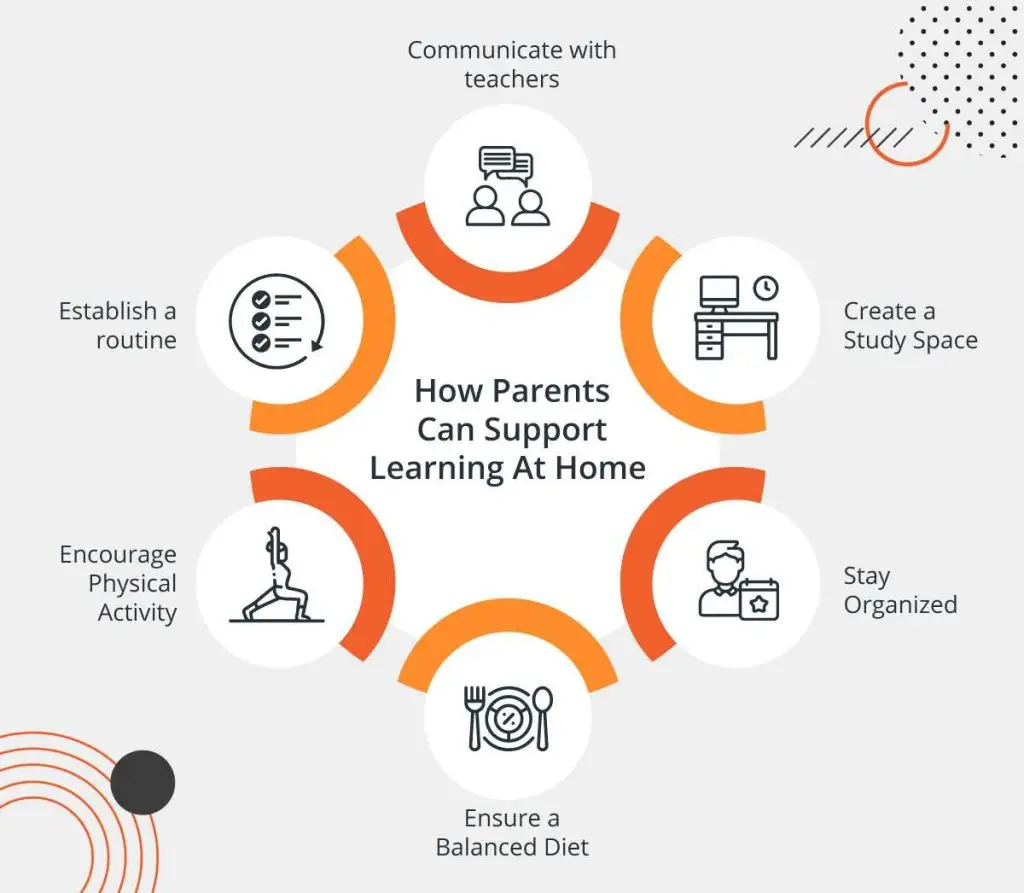
A child’s education is a partnership between the school, teachers, students, and family. While teachers provide academic guidance and schools create learning opportunities, parents also have an important role in helping children develop positive habits, confidence, and a lifelong interest in learning.
Supporting a child’s education does not mean sitting beside them every evening or knowing the answer to every homework question. Often, small and consistent actions at home can make a significant difference.
Create a Positive Learning Environment
Children benefit from having a regular place and time for study. It does not need to be a large or elaborate space. A quiet, organized area with the basic materials a child needs can help establish a routine.
A consistent routine also teaches children that learning is a normal and important part of everyday life.
Encourage Questions
Children ask questions because they are curious. Parents can encourage this curiosity rather than immediately providing every answer.
When a child asks, “Why?” parents can sometimes respond with another question: “What do you think?” This encourages children to think, explore possibilities, and develop their own reasoning.
Focus on Effort, Not Only Results
Marks and examinations are important, but they should not become the only measure of a child’s progress.
Recognizing effort, improvement, persistence, and responsible habits can help children develop a healthier attitude toward learning. A child who understands that mistakes are part of learning is more likely to try difficult tasks rather than avoid them.
Encourage Reading
Reading together, visiting a library, discussing stories, or simply allowing children to choose books they enjoy can help develop a strong reading habit.
Parents do not need to turn every reading session into a lesson. Sometimes allowing children to read simply for enjoyment is one of the best ways to develop a lifelong love of books.
Stay Connected With the School
Communication between parents and teachers helps everyone understand a child’s progress and needs. Parents can share observations from home, while teachers can provide guidance based on the child’s experience at school.
This partnership creates a more consistent support system for the child.
Give Children Responsibility
Children should gradually learn to manage age-appropriate responsibilities themselves. Preparing school materials, organizing their study time, completing assignments, and taking care of personal belongings can help develop independence.
Parents can guide children without doing everything for them.
Education Is a Shared Journey
Children learn from what adults say, but they also learn from what adults do. When parents show curiosity, patience, responsibility, and respect for learning, children receive a powerful example.
Supporting education is not about creating pressure for children to achieve perfect results. It is about creating an environment where they feel encouraged to learn, make mistakes, improve, and believe in their own abilities.