

The Importance of Emotional and Social Development in Education
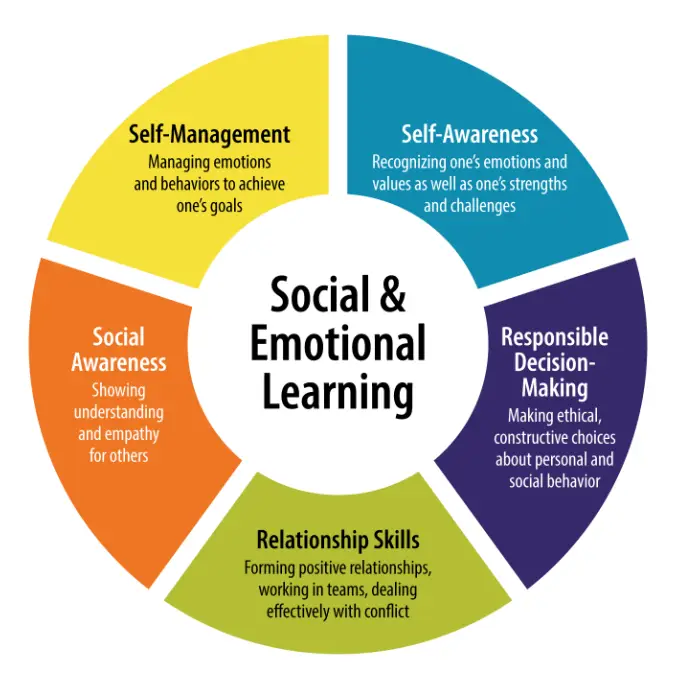
Academic achievement is an important part of education, but a child’s development cannot be measured through marks alone. Children also need to learn how to understand their emotions, communicate with others, manage disagreements, cooperate, show empathy, and respond to challenges.
These abilities are sometimes described as social and emotional skills, and they play an important role in both school life and future personal and professional life.
Understanding Emotions
Children experience many emotions during their school years. They may feel excitement, disappointment, frustration, nervousness, confidence, or fear. Learning to recognize and express these emotions appropriately helps children manage difficult situations.
A child who understands their emotions is better able to communicate what they need rather than reacting impulsively.
Learning to Work With Others
School provides children with one of their earliest opportunities to interact regularly with people outside their immediate family. They learn that classmates may have different personalities, opinions, abilities, backgrounds, and interests.
Group activities, projects, sports, and classroom discussions teach students how to cooperate, listen, share responsibilities, and respect different viewpoints.
These are essential life skills.
Learning From Mistakes
Children sometimes become afraid of making mistakes because they believe mistakes mean failure. A healthy learning environment can help change this perspective.
Mistakes are a natural part of learning. When students are encouraged to understand what went wrong and try again, they develop resilience and perseverance.
The ability to recover from disappointment can be more valuable than always succeeding on the first attempt.
The Role of Teachers and Parents
Teachers and parents have an important influence on children’s emotional development. Students need clear expectations and discipline, but they also need encouragement, patience, and opportunities to express themselves.
A supportive environment does not mean removing every challenge from a child’s life. Instead, it means helping children develop the skills required to face challenges responsibly.
Preparing for the Future
As children grow older, their success will depend on more than academic qualifications. They will need to communicate, collaborate, solve problems, handle pressure, adapt to change, and build healthy relationships.
Schools therefore have an important role in developing the whole child—not only the learner who sits for an examination, but the individual who will eventually become a member of a family, workplace, community, and society.
Education becomes truly meaningful when academic knowledge is combined with confidence, character, empathy, and responsibility.